

Nitrous oxide, known as laughing gas or “nos”, is a gas that is used legally in medical and catering fields but has become a popular substance for recreational use, especially with younger people.
Use of nitrous oxide peaked during the pandemic, but there have been increased reports of harm in the UK. Last year, a report from the National Poisons Information Service (NPIS) showed around a 175% increase in NPIS activity linked to nitrous oxide.
It’s important to know about the dangers of nitrous oxide, its effects, and how you can help.
What Is Nitrous Oxide?
Nitrous oxide is a colourless gas that is used in medicine as an anaesthetic and a painkiller or for sedation in dental care. In catering, nitrous oxide is used in the production of whipped cream.
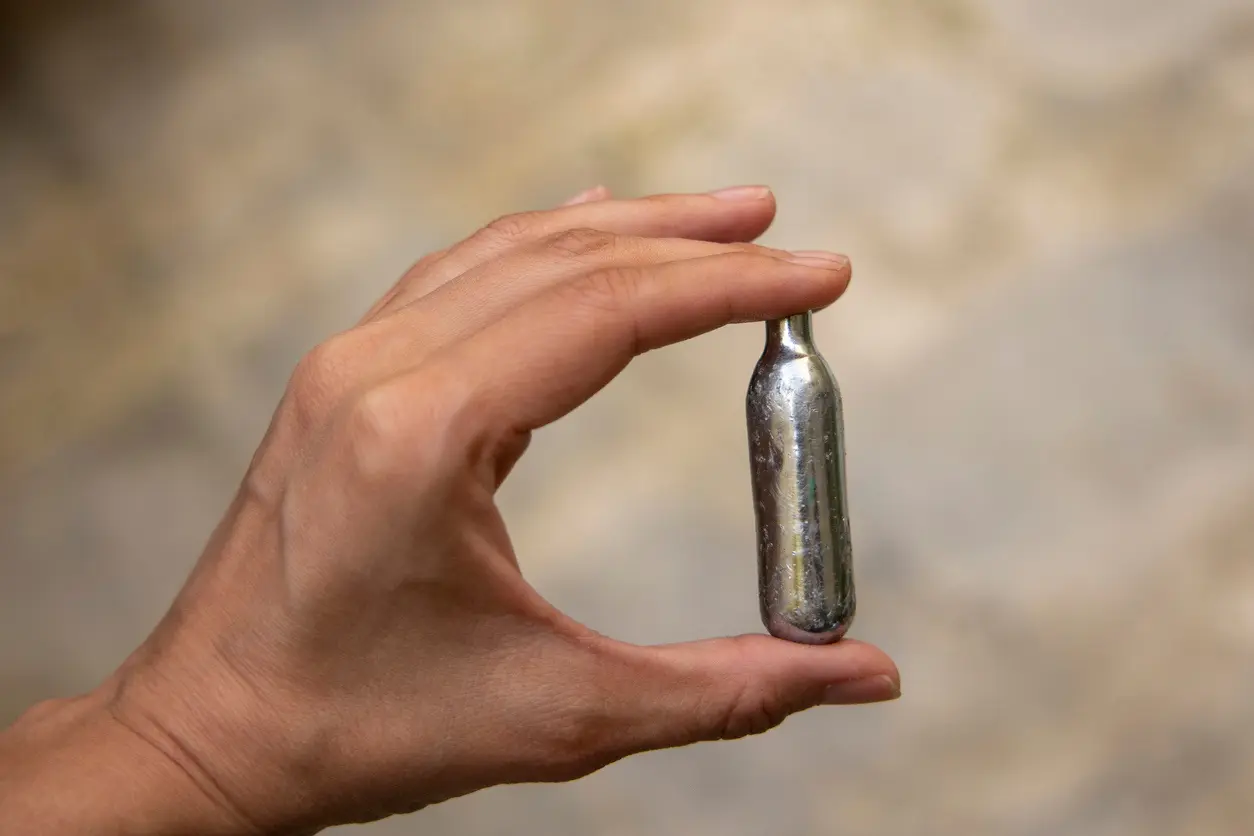
It is sold in small metal cannisters that are pressurised whipped cream chargers, giving them the street name of whippets. The other name it’s known by, “laughing gas”, is because of the effects, giving the user a short spike in dopamine and providing a euphoric feeling that can make them giggle.
Usually, users transfer some of the gas from the canister into a balloon and then inhale it.
What Does Nitrous Oxide Do?
The effects of the substance are immediate and short-lasting. Nitrous oxide effects include:
- Euphoria and light-headedness
- Brief dissociation
- Laughing or feeling giddy
- Numbness or tingling
- Loss of balance and falling down
- Feeling of relaxation
Why Does Nitrous Oxide Cause These Effects?
Nitrous oxide is inhaled into the lungs and quickly dissolves in the bloodstream. It reaches the brain in seconds and blocks pain signals, leading to an immediate release of dopamine, which creates the euphoric feeling.
You are also inhaling 100% nitrous oxide, which displaces breathable oxygen in your body. This causes oxygen deprivation, leading to dizziness and potential loss of balance.
Short-Term Risks
Laughing gas misuse occurs because the effects of the drug are immediate and gone quickly. The effects tend to last no longer than a minute, leading to repeated inhalation cycles. Repeated use of a substance leads to abuse, which increases the dangers of the drug.
The effects of nitrous oxide hit quickly, leading to risks that can occur immediately that you should be aware of. Common short-term risks of nitrous oxide include:
- Oxygen deprivation (hypoxia)
- Falls and accidents due to loss of balance
- Choking risk
- Reduced coordination and dizziness
- Confusion or fainting
- Frostbite burns on the nose, lips and throat if inhaled directly from the canister
- Risk of suffocation if using bags and cylinders
Balloon gas risks may feel harmless because the effects are so short-lasting, but repeated use in a short time increases the dangers.
Long-Term Risks
The repeated use of nitrous oxide can lead to long-term and permanent damage, which the government and NHS have laid out clearly. Long-term risks of nitrous oxide include:
- Vitamin B12 depletion – long-term depletion can cause nerve and spinal cord damage.
- Nitrous oxide brain damage and nerve injuries
- Tingling and numbness in the hands and feet
- Muscle weakness, causing walking difficulty
- Memory problems and difficulty focusing
- Bladder and bowel issues in severe cases
- Increased risk of anxiety, depression and developing an addiction
Nitrous oxide is a neurotoxin, and chronic use of the substance can lead to neurotoxicity. This is when your nervous system is damaged by a toxic substance, worsening normal function, potentially causing all the issues above. Nitrous oxide neurotoxicity can become irreversible if repeated use is not stopped.
Can You Become Addicted to Laughing Gas?
While some addictions can cause physical and psychological dependence, nitrous oxide does not appear to be physically addictive. However, it can be psychologically addictive, which is where the true danger lies.
Short Effects Lead to Repeated Use
Psychological dependence is possible with nitrous oxide because the short-term euphoric effects lead to quick repeated use. This creates a pattern of behaviour that becomes compulsive as you again and again chase the effects of nitrous oxide.
Repeated Use and Tolerance = Cravings and Addiction
Quickly, a tolerance may build, meaning you need more than before to achieve the same effects. Soon, this leads to cravings when you are not using nitrous oxide and you’ll find it difficult to stop as your brain craves the euphoria.
Once you are constantly going through this cycle, you are in the midst of an addiction.
The novel way you take nitrous oxide or its short-term effects may make it seem like you are not building harmful habits that will be hard to break. If you are suffering and need nitrous oxide addiction help, asking for help is a positive step and you shouldn’t feel ashamed.
Signs Someone Might Be Misusing Nitrous Oxide
As nitrous oxide addiction is less common than being addicted to alcohol or cocaine, you might not know what it looks like. It’s important to know the signs of nitrous oxide addiction so you can help yourself or someone you know.
Signs that someone may be misusing nitrous oxide include:
- A lot of small canisters are littered around
- Walking problems or an unusual gait
- Tingling or numbness in limbs
- Mood changes and increased irritability
- Social withdrawal
- Decline in performance at work or school
Addictions don’t get better on their own. Seek out support early, even if it’s to a friend and get started on your rehabilitation journey.
Getting Support for Nitrous Oxide Misuse
The best way to start reclaiming your life from addiction is to get treatment sooner rather than later. Early intervention is proven to help with nitrous oxide recovery. It requires a combination of psychological, nutritional and neurological support to effectively treat.
Asana Lodge is a private drug and alcohol rehab. We provide clinical and structured care in a caring environment. We are adept at providing dual-diagnosis support for co-occurring mental health issues, applying a neuro-based rehabilitation approach that is delivered by medical and psychological professionals.
Our treatment options include:
- An inpatient rehab programme
- A mix of individual and group therapies and counselling
- Education on the harm of addiction
- Nutritional and B12 support where medically appropriate
When to Seek Professional Help
If you are worried about your nitrous oxide help, you should get help if you are:
- Using frequently or daily
- Experiencing neurological symptoms
- Hiding use and struggling to stop
- Suffering from poor mental health
- Using other substances alongside laughing gas
Support is available. We at Asana Lodge can help you, so get in touch today to start our simple admissions process.
Get Nitrous Oxide Addiction Help Today
If you’re worried about misuse or concerned for someone you know, talking to a professional can help. Asana Lodge offers confidential support and specialist treatment focused on neurological recovery and emotional wellbeing.
Start the recovery journey today by getting in touch online or calling us at 01908 489 421.
Back to all posts


