Cocaine Rehab

Cocaine Rehab

Request a callback...

Call 01908 489 421

Request a callback...

Call Us

John Gillen

By John Gillen - Last Updated: 25 September 2026

Clinically Reviewed on 12/12/2023 1:20 pm by Dr. Olalekan Otulana (Advanced Practitioner) All information on this page has been reviewed and verified by a certified addiction professional.

  • Benefits

  • Cocaine Rehab Specialists

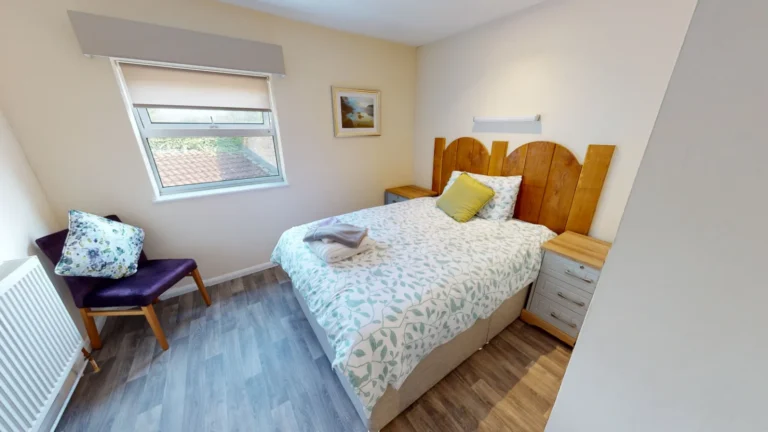
  • Private Room & Facilities

  • Confidential Treatment

  • Ongoing Support

Cocaine remains a serious concern across England and Wales. In the Home Office’s 2026 Wastewater Analysis report, they estimated that around 123,000kg of cocaine was consumed in England between August 2024 and July 2025.

Because cocaine is a powerful stimulant, stopping can be difficult without the right support. Cravings and withdrawal symptoms can make it challenging to remain cocaine-free, particularly when attempting recovery alone.

At Asana Lodge, our cocaine rehab programmes are designed around the individual. Following an initial assessment, we develop a personalised treatment plan that considers your situation, before working with you to provide the help you need.

If you or a loved one is suffering from cocaine addiction, seeking professional treatment through a cocaine rehab programme can be an important step towards long-term recovery.

Contact Us

Understanding Cocaine Addiction

Cocaine is an extremely popular recreational drug because of its ability to produce feelings of heightened pleasure. Its use causes a build-up of dopamine in the brain, which is a neurotransmitter responsible for making us feel happiness and joy. These feelings, and the crash that comes after use, are what cause people to become addicted to it.

Cocaine is available in different forms, including powdered cocaine and crack cocaine. Other substances are also sold, known as synthetic or “pink cocaine”, which may contain different combinations of drugs. Regardless of the form used, problematic use can affect physical and psychological wellbeing.

Cocaine Rehab at Asana Lodge: What to Expect

At Asana Lodge, we provide rehabilitation for cocaine addiction for those over the age of 18.

However, no two experiences of addiction are exactly the same. Your treatment programme will therefore be tailored to you, taking into account your cocaine use, physical and mental health, personal circumstances and any other addictions or challenges you may be experiencing.

Step 1: Admission & Arrival

Before you arrive at our cocaine addiction rehab facility, we will have an informal pre-admission phone call.

This call is intended to understand you and your cocaine addiction some more. Or, if you’re referring a loved one, we will learn about your relationship with them and their addiction through your eyes.

This will be the time when we ask about the substance(s) you’re addicted to and the progression of your addiction. This helps us better understand the level of treatment required.

We’ll outline all the relevant information you need, including costs, duration of stay, and the facilities available. Detailing all of this for you makes your picture of cocaine treatment at Asana Lodge clearer, allowing you to decide if you want to move forward with treatment.

Once you’re ready, we can then arrange a check-in and transport for you to start your treatment.

Free Transport To & From Rehab

Best reasons to travel for alcohol and drug rehab:

  • Travelling provides an escape from a potentially toxic environment or people
  • Helps you get away from triggering situations
  • Sobriety can give you a fresh reset in life
  • You may find a new supportive community
➜ Call Us Now 01908 489 421

Step 1

Call and speak with a care advocate or a member of our nursing team

Step 2

Schedule a pick up time

Step 3

Same day discreet pick ups

Upon arrival for cocaine treatment, our first step is to carry out a full physical and mental health evaluation to assess your needs. Our team of experienced, understanding doctors, nurses, and medical professionals is available to help you recover and create the most comprehensive and effective treatment program possible.

Step 2: Detoxification & Withdrawal

The first step for most clients is to go through a cocaine detox. This can often be the toughest part of drug rehab, as stopping cocaine use cold turkey can cause a variety of psychological withdrawal symptoms.

Some of the most common cocaine withdrawal symptoms include:

  • Cravings: A strong desire to use cocaine again
  • Fatigue: A feeling of tiredness or weariness
  • Increased Appetite: Hunger levels may rise
  • Agitation and Restlessness: Feeling irritable or restless
  • Depression and Anxiety: Emotional symptoms can be intense
  • Sleep Disturbances: Trouble falling or staying asleep, or unusual dreams
  • Lack of Concentration: Difficulty focusing or thinking clearly

The intensity of withdrawal symptoms heavily depends on various factors. Fortunately, inpatient treatment offers 24/7 monitoring and support to help you through it.

Step 3: Therapies & Treatment

Treatment combines regular one-to-one therapy, weekly keywork sessions and ongoing care reviews with a comprehensive timetable of daily therapeutic groups. Our therapeutic approaches include:

  • Dialectical Behaviour Therapy (DBT)
  • Schema Therapy
  • Trauma-informed care
  • Coping skills development
  • Meaningful daily activities
  • Discharge planning

These approaches help individuals understand the underlying causes of addiction, develop healthier coping strategies and build resilience.

Alongside psychological therapies, individuals can participate in art and music therapy, yoga and a range of wellbeing activities that promote both physical and emotional health.

Step 4: Discharge & Aftercare

Once your treatment is complete, you can be discharged from our cocaine rehab facility. Sadly, the real world will come with triggers and temptations that can influence your sobriety.

That’s why during your time in rehab with us, you’ll be equipped with relapse prevention techniques that will help you overcome these temptations and deal with triggers.

We also offer 12 months of free aftercare after your discharge from our facility. This will consist of a therapy session once a week with us here at Asana Lodge, as well as recommendations for free community-based treatments. This gives you the opportunity to seek guidance not only from therapists but also from others in the exact same position as you.

The community offers a range of free support groups that we typically recommend for aftercare. These include:

This is something our ex-patients have found extremely useful, as ongoing support helps to reduce your risk of relapse. We don’t want you to feel neglected and alone once you leave us, which is why we pledge to help you keep your promise to sobriety.



We’re here to make your stay as comfortable as possible, ensuring that you get all the care and attention you need to live a sober life once you have completed our comprehensive treatment programme.

Whether it is cocaine, other drugs, alcohol or a combination of them all, we have the facilities to help you recover.

Talk to us today about how we can help you, or your loved one, quit cocaine for life. Call us to find out all of what we offer for those suffering from addiction up and down the whole of the UK.

+8 Images

View All


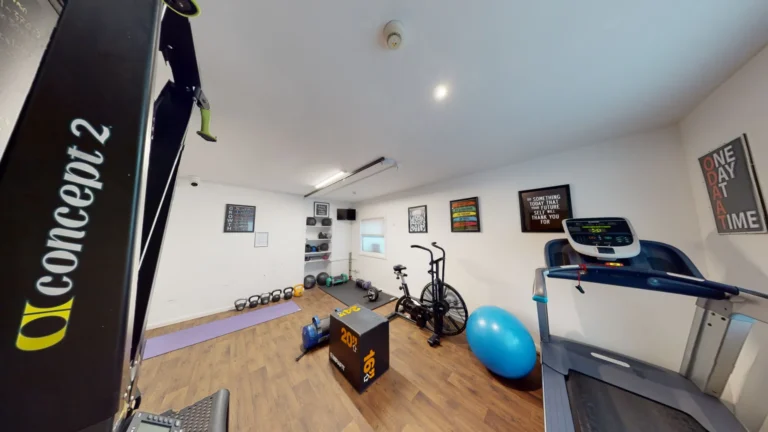
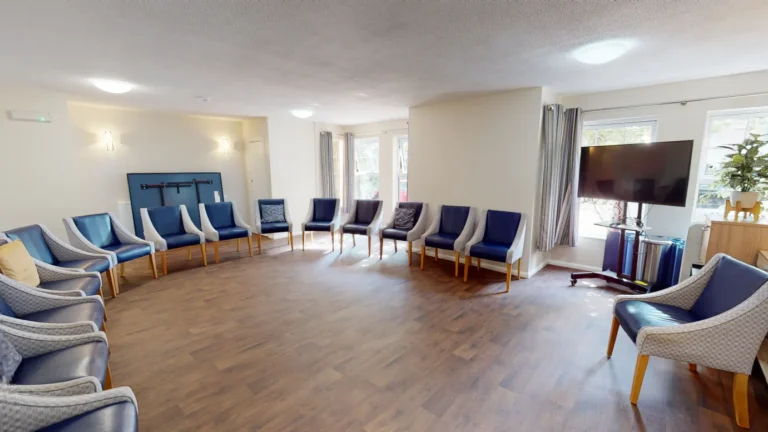
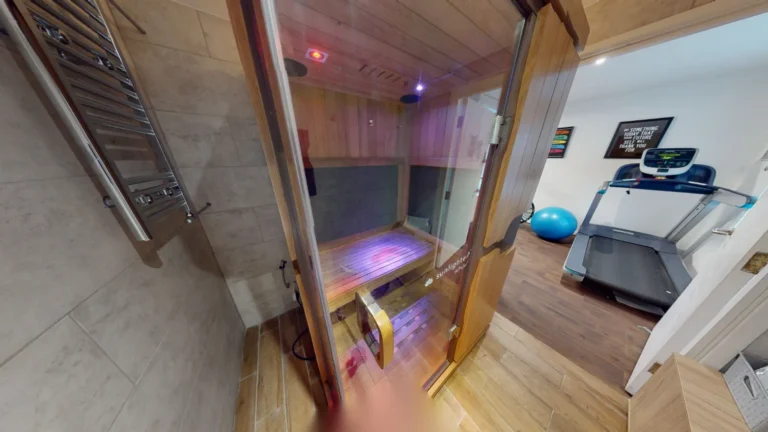
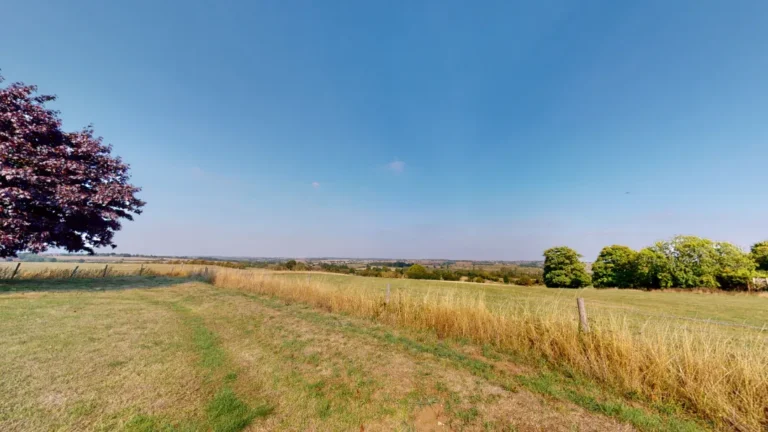
View Our Virtual Tour

Take a virtual walkthrough of the facility so that you can see for yourself just what we have to offer. Simply click on the play button to begin the tour.

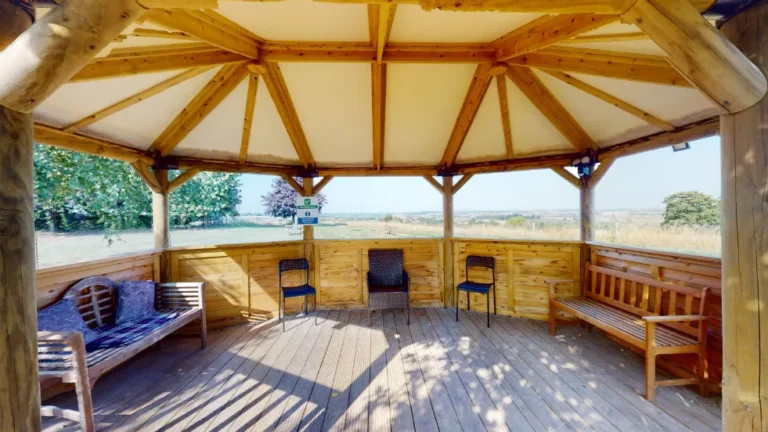
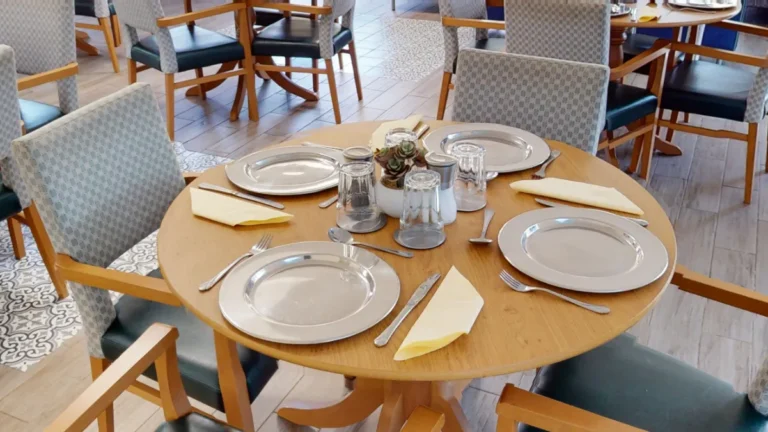
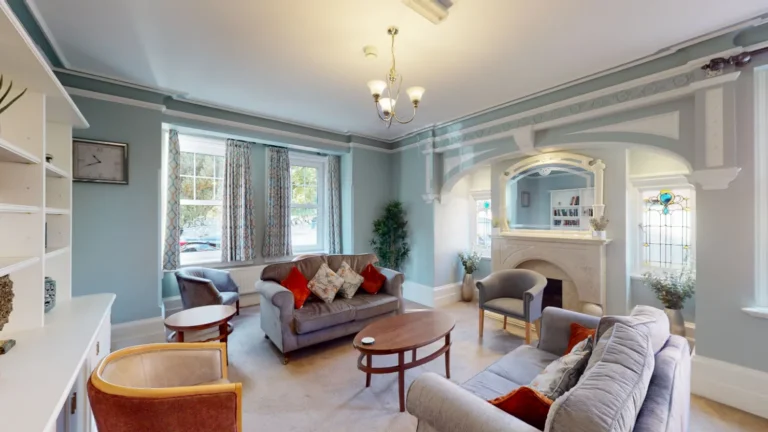
You’ll be able to explore our lobby, common areas, bedrooms, plus much more, all from the comfort of your own home.

We hope that this tour will give you a better sense of what Asana Lodge is all about and help you to make the decision to stay with us. We look forward to welcoming you in person soon!


Get Help Today

Waste no more time and get the help that you or your loved one truly deserves. Talk to our team at Asana Lodge today to find out how we can help you recover and get back to sobriety and a bright future. Call us on 01908 489 421 today for more information and quick admission.


Cocaine Rehab FAQs

Does Cocaine Rehab Work

The bottom line is that no matter the method of seeking treatment, so long as you seek it out and achieve it, you will be making the right decision. This goes for any means of treatment, whether you’re looking for a private rehab like us at Asana or NHS-funded cocaine rehab; any help is the right help, and you are on the right path to sobriety no matter the route.

How Long Does Cocaine Rehab Usually Last?

The length of time needed for Cocaine rehab differs for each individual depending on the severity of their addiction. However, the longer an individual can commit to rehab, the better their results will be. Our recommended rehab programmes are 28 days, though longer and shorter treatments are available.

What Happens If I Relapse

Once completing time in rehab for addiction, the prospect of getting back to normal life and dealing with a potential relapse can be daunting. Here at Asana Lodge, we offer aftercare designed for that first year of sobriety and healing. You haven’t failed if you do relapse, and if you unfortunately do, simply come back to us, and we can continue your treatment.

Can My Family And Friends Visit Me In Cocaine Rehab?

Yes. We believe that family and friends are an important part of recovery. This is why we provide dedicated times and days for family to visit you whilst you undergo treatment at a Cocaine Rehab.

Do I Need To Go To Rehab?

It can be extremely difficult to admit or even recognise that you have a problem with addiction. If you are concerned drugs or alcohol are having a negative effect on your life or a loved one's life, it may be time to reach out to a professional and see how they can help.

What Types of Cocaine Are There?

There are many forms of cocaine, each with their own unique characteristics and effects. These include • Powdered Cocaine - The most well-known form of cocaine comes in a white powder, which is usually snorted. • Crack Cocaine - Crack cocaine comes in the form of crystalline rocks, which are then smoked. The rapid nature unique to crack cocaine can make it more addictive. • Pink Cocaine - Pink Cocaine is typically a mixture of other existing drugs. Despite the name, it won’t always contain traces of cocaine, but it can. • Synthetic Cocaine - These are completely man-made substances that are created to mimic the effects of regular cocaine.

What Are the Signs of Cocaine Addiction?

Specific behaviour patterns differ between individuals, however, there are a few behavioural and physical symptoms that you can look out for including: • Regularly craving cocaine • Using cocaine at inappropriate times • Prioritising cocaine use over others • Mood swings and personality changes • Increased anxiety or depression • Physical symptoms such as heart palpitations, insomnia, and nosebleeds • Out-of-character behaviour

Client Review

"My son has come back with a future. "

Joanna Brady

Contact Us

toggler

John Gillen - Author - Last Updated: 13 January 2022

John has travelled extensively around the world, culminating in 19 years’ experience looking at different models. He is the European pioneer of Nad+ (Nicotinamide Adenine Dinucleotide) treatment to Europe in 2010; and recently back from the USA bringing state of the art Virtual Reality Relapse Prevention and stress reduction therapy. his passion extends to other metabolic disturbances and neurodegenerative diseases.

The journey continues, in recent times john has travelled to Russia to study and research into a new therapy photobiomudulation or systemic laser therapy working with Nad+ scientists and the very best of the medical profession in the UK and the USA, together with Nadcell, Bionad Clinics own select Doctors, nurses, dieticians and therapists, Johns’ passion continues to endeavour to bring to the UK and Europe new developments with Nad+ therapy in preventive and restorative medicine and Wellness. In 2017 John Gillen was made a visiting Professor at the John Naisbitt university in Belgrade Serbia.

toggler
Dr. Olalekan Otulana (Advanced Practitioner)

Dr. Olalekan Otulana (Advanced Practitioner) - Clinical Reviewer - Last Reviewed: 12/12/2023 1:20 pm

Dr. Otulana is a highly skilled General Practitioner and Addiction Specialist. He possesses extensive expertise in the field of Substance Misuse Management and boasts a diverse background in evaluating, overseeing (including detox procedures), and overseeing the residential recovery of individuals grappling with various drug and substance addiction issues. His primary goal is to conduct thorough assessments of patients dealing with addiction issues and determine their medical detoxification and psychological treatment requirements. Dr. Otulana is well-versed in caring for patients who need dual drug and alcohol detoxification therapies.

In addition to his medical qualifications, Dr. Otulana is a proficient healthcare professional who holds a Master of Business Administration (M.B.A.) degree from the prestigious Cambridge University Judge Business School.

Can Cocaine Cause Psychosis?

Cocaine use brings a number of possible risks including the potential for addiction and strain on the cardiovascular system. But can cocaine cause psychosis? The short answer is that yes, cocaine use can trigger psychotic symptoms in some people. Symptoms can occur during intoxication, following heavy use or, in some…

Read More

Nose Damage From Drugs: Cocaine Use

Cocaine is a popular drug in the UK, with the latest figures stating that 2.1% people aged 16 to 59 years used the drug last year, making it the second most popular illegal substance. It is often used casually and socially, but there are serious consequences to cocaine use and…

Read More

What Is the Difference Between Crack and Cocaine?

Cocaine and crack are both very powerful addictive stimulants. Both are derived from the coca plant but they differ in their physical properties, the way they are used, their effects and potency. It is important to understand the difference between crack and cocaine and the risks that both can pose.…

Read More
  • Aviva Logo
  • AXA Logo
  • Bupa Logo
  • Cigna Logo
  • Standard Life
  • Vitality Logo