
Orphines are a group of potent synthetic opioids that have begun to gain attention across the UK health and law enforcement sectors. This guide looks at what they are in more detail so that you can understand what these compounds are, how they act and where to find reliable support.
Whether you’re concerned about your own substance use or are seeking guidance for someone else, this guide will provide reliable information and point you in the right direction of care.
What Are Orphines?
Orphines refers to a group of synthetic opioids that bind to mu-opioid receptors in the central nervous system. In short, they mimic the body’s natural pain-relieving signals and produce sedative effects. It includes compounds such as brorphine, chlorphine and cychlorphine.
As the phrase doesn’t refer to one specific drug, potency can vary significantly across the different chemical structures. What’s more, while the name might sound similar to opiates like morphine, they are chemically distinct and also separate from the nitazene family
Some compounds in the morphine family were synthesised years ago but newer ones are now being designed to bypass traditional legal frameworks. As such, they come with several risks.
Why Are Orphines Causing Concern in the UK?
UK public health authorities are monitoring the emergence of orphines closely after several deaths have been confirmed to involve orphines. This means that the drug family was present at post-mortem; however, it doesn’t establish whether the compound was the sole cause of death, as poly-substance use is frequently present.
As new studies emerge and require specialist screening, current testing capabilities are limited. This means we don’t know the true scale of their presence.
What Are the Risks?
Like all potent synthetic opioids, the main risk is severe respiratory depression. Research shows that high doses can result in slower breathing, rapid loss of consciousness and fatal opioid overdose. Orphines are especially a risk for overdose, seeing as they’re more potent than fentanyl.
Regular exposure to synthetic opioids can also lead to tolerance, which is when an individual requires larger amounts to achieve the same effect, and physical dependence. What’s more, while research is still looking into withdrawal timelines for individual orphines, we know that general opioid withdrawal symptoms include anxiety, muscle aches, nausea, stomach issues and cravings.
What makes orphines so risky is their unpredictable product composition. Synthetic opioids are often mixed into other illicit substances, including heroin, counterfeit prescription tablets and sedatives – with many buyers being unaware of it. This means many people are becoming accidentally exposed to other drugs, which carry a high risk of overdose – especially when combined with alcohol and other central nervous system depressants.
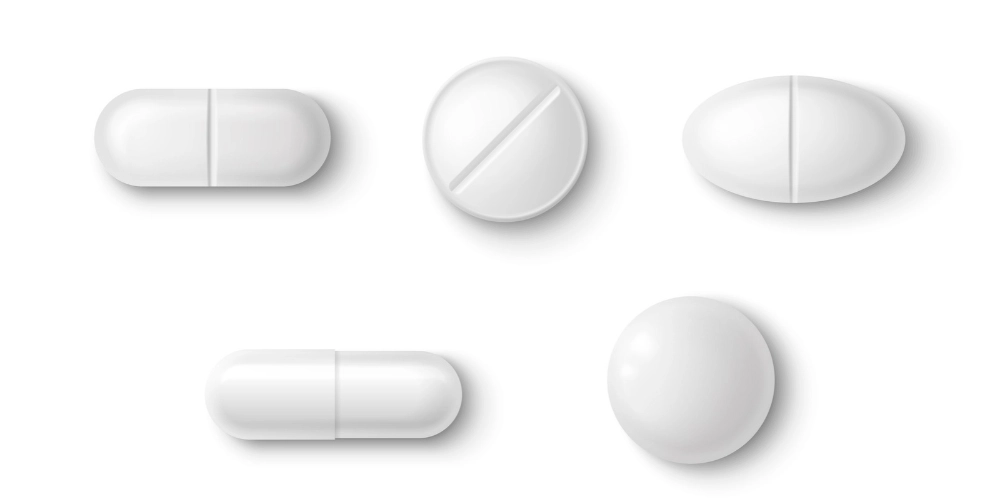
It’s impossible to determine the contents, purity and strength of a drug by appearance alone.
Are Orphines Illegal in the UK?
In June 2026, seven named orphine compounds were placed under a Temporary Class Drug Order (TCDO). This allows the government to place immediate statutory controls on fast-emerging substances while a full review takes place.
It ultimately means that manufacturing, importing, exporting and supplying the named substances is a criminal offence and carries severe penalties similar to Class B prosecution.
Legally, however, the orphine family isn’t regulated under one single umbrella. The drug status depends on individual chemical structure and current legislation, which can make it difficult to police.
Recognising an Opioid Overdose and Getting Help
Understanding the signs of an opioid overdose and being able to recognise them can save a life. Some warning signs include:
- Deep unresponsiveness or an inability to wake up
- Slow, shallow or stopped breathing
- Pale and clammy skin
- A blue or grey colour around the lips and fingernails
- Pinpoint pupils
- Snoring or gurgling sounds
If you suspect an overdose, call 999 immediately and request an ambulance.
Support for Opioid Use and Dependence
Overcoming dependence requires support and structure. But the first step for anyone struggling with opioid use is to reach out. Whether you’re concerned about your own behaviour or someone you care about, getting in touch with a professional team is essential. You don’t need to worry about being judged or feeling embarrassed. There are people here to help you.
For example, at Asana Lodge, we can arrange an independent and compassionate assessment which will point you in the right direction for treatment, tailored to your needs and goals. Or you could book an appointment with a GP or approach a local NHS community drug service directly without a referral.
There are various treatment plans, many of which include opioid substitute treatment, psychological therapy and medically supervised detoxification.
Attempting to detox from opioids at home without help can be very challenging and also carries immense risks. That’s where residential rehabilitation comes in, providing round-the-clock medical care, structured therapy, relapse prevention planning and ongoing aftercare support.
Embracing a Holistic Recovery Journey
Many people think drug addiction treatment relies on detox, medication and therapy. However, in reality, it goes much further. Every individual’s experience is unique and therefore requires a combination of clinical care and support that is tailored to them.
What’s more, the best treatment looks beyond physical withdrawal and addresses the underlying psychological, emotional and social factors that often contribute to substance use.
Through individual therapy, group counselling and ongoing peer support, recovery can help you to rebuild a daily routine, foster healthy relationships and develop healthier coping mechanisms for long-term sobriety and wellbeing. But it requires dedication and patience. Recovery is a journey and not always linear, yet with the right support and tools, it can be achieved.
Seeking Help at Asana Lodge for Synthetic Opioids
If you or a loved one are concerned about synthetic opioid use, professional support is here and can help you navigate your options safely. Reach out to the admissions team at Asana Lodge to discuss your personal circumstances in complete confidence and explore whether residential treatment is right for you.
Alternatively, we can answer questions, help stage an intervention or simply listen to your concerns. Either way, the first step to your new future starts today by picking up the phone or sending a message.
Back to all posts